By The Pawline veterinary teamVeterinary-reviewed by Alastair Greenway, BVM&S MRCVS · 25 July 2026
Emerging marker
This marker has no established reference range in dogs or cats yet, so it is read as a trend rather than measured against a threshold.
The Nu.Q test measures circulating nucleosomes — DNA fragments shed into the blood by cancer cells — as a screen for systemic cancers such as lymphoma and haemangiosarcoma in dogs. It's a screening aid, not a diagnosis: a raised result must be confirmed with imaging or biopsy, and inflammation can raise it too.
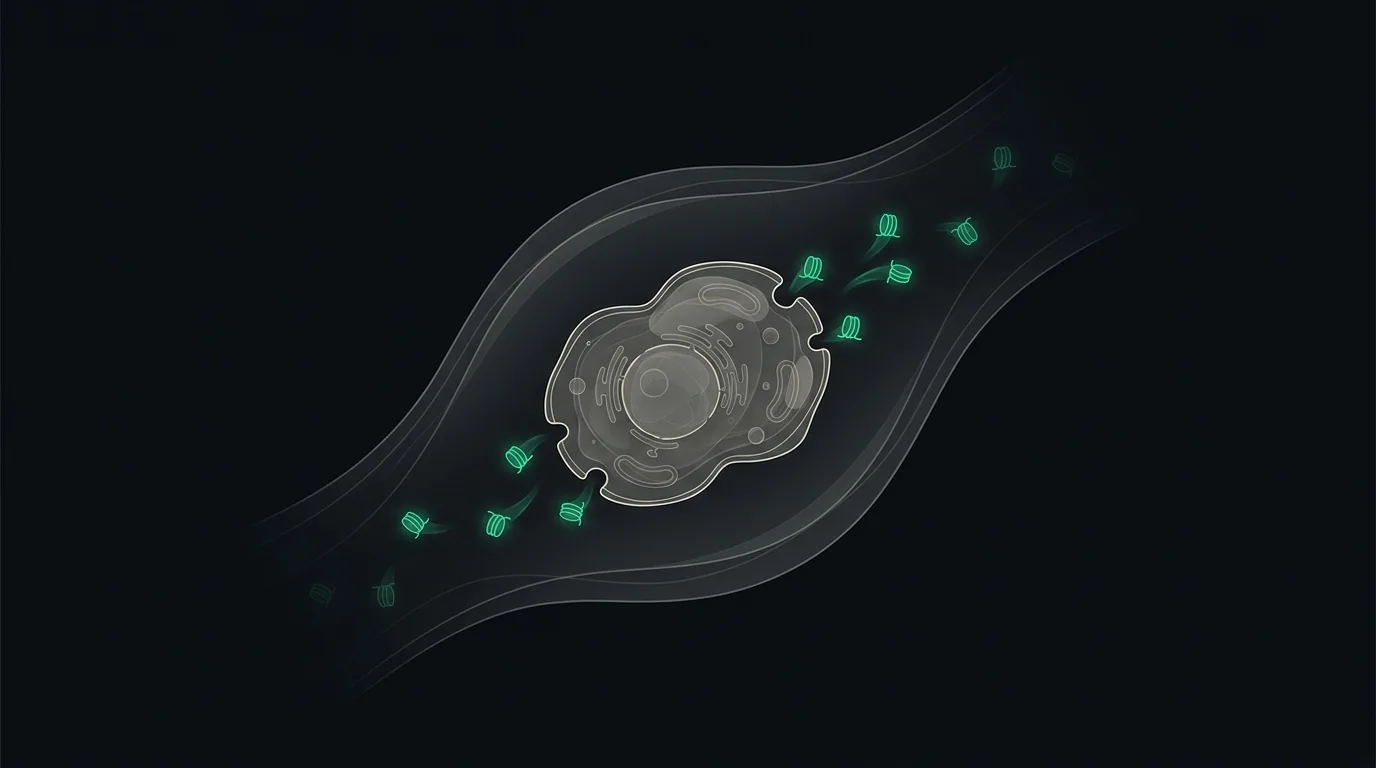
Nu.Q is a blood test that looks for nucleosomes — small packets of DNA wrapped around proteins that are released into the bloodstream when cells, including cancer cells, break down. Fast-growing tumours shed these fragments, so an elevated nucleosome level can be an early, non-specific signal that a systemic cancer may be present. Distributed through major reference laboratories, it is part of a new wave of "liquid biopsy" style screening aimed at catching cancer in apparently-healthy dogs before it becomes obvious.
Nu.Q measures nucleosomes — DNA fragments shed by cancer cells — as a screen for systemic cancers in dogs. A screening aid, not a diagnosis.
Why this is an emerging marker, not a verdict
Nu.Q sits in this library's frontier layer deliberately. It is a real, commercially available screen with genuine peer-reviewed backing, but it does not have a simple validated reference band that turns a number into a diagnosis, and it is read against lab-specific cut-offs. So it is presented as a trend and a flag, never as a finding on its own. Two honest limits define how it is used:
A raised result is a prompt, not a diagnosis. It says "look harder", and must be confirmed with imaging (ultrasound, X-rays) and, where indicated, biopsy. On its own it cannot say whether cancer is present, or where.
Inflammation raises nucleosomes too. Because any significant cell turnover releases them, inflammatory and other non-cancer conditions can lift the result, so a raised value is interpreted in the context of the whole clinical picture.
What a raised result means
A raised Nu.Q in a screening setting flags a dog worth investigating further for an occult (hidden) cancer — particularly the systemic cancers it is most associated with, such as lymphoma and haemangiosarcoma. It is one input into a decision to image and look more closely, especially in older dogs or higher-risk breeds. Its value is in potentially catching a cancer earlier than waiting for symptoms would — but the follow-up tests, not the Nu.Q number, make the diagnosis.
What a normal result means
A normal Nu.Q is reassuring but not absolute: no screening test catches every cancer, and a normal result does not rule out disease, particularly cancers that shed few nucleosomes. It is best seen as one reassuring data point within ongoing wellness monitoring, not a clean bill of health.
Tracking over time
Like other frontier markers, Nu.Q is most sensibly read as a trend on a single lab's assay rather than a one-off number. A stable, low result over serial screens is reassuring; a clear rise is a prompt to investigate. Because the field is young and cut-offs are lab-specific, consistency of method matters when comparing results.
Cat vs dog
Nu.Q is, at present, principally a canine screening test, with the strongest evidence and commercial availability in dogs; feline application is earlier-stage. So this page speaks to dogs, and the honest position for cats is that the tool is still emerging.
What to do next
If a screening Nu.Q is raised, the constructive next step with your vet is confirmatory investigation — imaging and, where indicated, biopsy — together with weighing whether inflammation could explain it. Nu.Q's role is to raise a question early; the answer comes from the follow-up, never from the screen alone. As a frontier marker, it is used to inform vigilance, not to diagnose.
This page is educational and is not a diagnosis. Lab results are interpreted in the full clinical context by your veterinary surgeon; a single value rarely tells the whole story.