Vet bloodwork
Upload any IDEXX, Antech, or in-house chemistry panel as a PDF. Pawline reads it. SDMA, NT-proBNP, ALT, the lot.
Pawline. The lifelong health record for dogs and cats
Pawline turns the bloodwork and paperwork you already have into one record that reads itself: every new result is read against your pet’s whole history, so a direction shows while the change is still small.
Free to upload, for good · the reading: 30 days free, then £39/mo

How it works
Upload bloodwork PDFs, consultation notes, referral letters and kit results; log weights and observations. Pawline draws out what they contain and files it against your pet. Free, and unlimited.
Every marker on one axis with its printed reference range, every consultation dated, every follow-up your own paperwork asked for. Share it with your vet through one link.
Why read them together
A kidney marker creeping while still in range. Weight drifting down through three consultations’ notes. A recheck that never happened. Each looks like nothing at a single visit, because at a single visit it is nothing: the signal only exists across visits, and nobody re-reads the whole file in a ten-minute consult.
The reading does, every time a result lands.
Watch the full eighteen months unfold ↓The reading opens with what changed since the previous result and what is being watched. It is computed, not written — the same results always produce the same reading, every range and citation is printed where you can check it, and it makes no diagnosis: your veterinarian’s judgement is never replaced.
Alastair Greenway, BVM&S MRCVS — built by a practising veterinary surgeon; on Healthspan, a named surgeon signs the reading.
No queue — computed the moment a result lands.
Citations you can follow — across 87 free Lab Library pages; the score’s frailty method (Banzato et al., 2019) is printed beside the number.
Bella's Healthspan Score today is 69, which Pawline bands as Fair; at the previous reading, in October 2025, it was 72. Her kidney marker SDMA has moved from 9 to 13 µg/dL across her last 3 panels, with every reading inside its printed reference range. Her liver enzyme ALT has also risen. The Cardiac, Metabolic and Immune panels read in range.
Founding cohort · first 50 pets
An annual booster and a weigh-in is not a longevity plan. Twice a year, a screening cycle for your pet: a kit box arrives at home — cheek swab, faecal, urine, no needles — the in-app dental and cognitive checks come due, and a vet-ready order sheet names the bloods for your own practice to run.
Every result is read against your pet’s own history the moment it lands. The panel adapts to breed, age and what the record already shows — never a fixed checklist.
£349 / year · founding price locked · every box hand-fulfilled · places offered in signup order
First panel
Shaped to this pet
6 months
Relevant markers return
Next cycle
Free to upload, for good · the reading: 30 days free, then £39/mo
Begin with the history already there: upload the bloodwork you already have and years of trend are readable the same evening, before a single new test. Each new result is then compared with what came before.
from
£39
/mo · 30 days free
FAQ
The record itself, for good — permanently, whether or not you ever start the reading. Unlimited uploads of bloodwork, consultation notes, referral letters and kit results; every marker extracted and filed; the Lifeline of your pet's whole recorded history; the follow-ups and vaccinations your own paperwork asked for; and a share link your vet can open without a Pawline account. What you pay for, and can trial free for 30 days, is the reading built on top of it.
No, and it is built so it cannot become one. The reading describes what your pet's own numbers are doing: which markers moved, by how much, against their printed reference range and against that pet's own history. It never asserts a disease about your animal and never tells you what to do. That line is where your vet's judgement begins.
No. It works for them. Pawline does the longitudinal synthesis a 15-minute appointment rarely has time for: every test, kit and observation in one record, read as a trajectory. Your vet still examines, diagnoses and treats. Share the whole record with one link (no account needed at their end), bring the trend to the consult instead of a folder of PDFs, and with Longevity Screening hand over a printed order sheet naming the tests worth running. Your practice runs and bills them, and the results flow back into the record.
Go deeper
Everything above is enough to start. Everything below is the full story: the method, the library, and the thinking.
The full story
The three visits from the reading above, played in full.
Jan 2025Healthspan 78
SDMA 9 µg/dL, well inside the reference range. Eight systems read strong.
Oct 2025Healthspan 72
SDMA 11: the second reading, higher than the first. No threshold crossed, nothing to treat.
TodayHealthspan 69
SDMA 13 on the third reading: still in range, and now a line pointing somewhere. The story was the direction, not the number.
Example data: Bella’s three assessments over eighteen months. Scroll to move through them; click any system to read what it measures.
The record · yours to keep
Where is her last blood test right now? An attachment in an old email, a practice database you can’t log into, a drawer. The free record ends that: every panel, consultation, vaccination, weight entry and cognitive screen on one line, the Lifeline, ending at today, with a link any vet can open. This is the live instrument from the product; hover anything.
Everything on record for Bella, on one line. Click any event to open it.
What goes in
Upload any IDEXX, Antech, or in-house chemistry panel as a PDF. Pawline reads it. SDMA, NT-proBNP, ALT, the lot.
Consultation notes, referral reports, discharge summaries, vaccination records. Pawline reads the paperwork and files what matters into the same record.
Embark, AnimalBiome, Basepaws, Volition Nu.Q. Brought into the same record as your vet results.
Weight, body condition, appetite, activity. The little things that turn into trajectory.
What comes out
Pawline organises your pet’s record across the body systems a vet thinks in, with status and trajectory per system. Each tile opens to the markers and observations behind it.
NT-proBNP, troponin, breed risk
SDMA, FGF-23, UPC, USG, creatinine trajectory
ALT, ALP, GGT, bile acids
Glucose, T4, fructosamine, body condition
Dysbiosis Index, cobalamin, faecal microbiome
CRP / SAA, periodontal grade, white-cell differential
Nu.Q nucleosomes, genetic predisposition, breed and age risk
Free to everyone
The Lab Library is a plain-English, veterinary-reviewed guide to every parameter and ratio on a dog or cat's lab report: what each one is, what a high or low result can mean, and, above all, how it moves over time in chronic disease. Eighty illustrated, cited pages, free and open to everyone.
Not your normal vet panel
The synthesis is the product. Once your pet’s results are read together, over time, five things fall out that no one reading, and no ordinary panel, can give you.
One 0–100 number, computed deterministically with a deficit-accumulation frailty method used in canine mortality research, and the line it traces across every retest. In range isn't the same as fine; direction is the finding.
An estimate drawn from breed size, body-system status and trend, body condition, and frailty. Every contributing year is laid out on the page, never a black box.
10.4+2.2y vs calendar
The eight body systems laid onto an outline of the animal, each lit by status. The whole picture at a glance: the pet as data, without losing the animal.
The idea
Every bloodwork panel, kit result and observation becomes part of one longitudinal picture: eight body systems, one Healthspan Score, and the trajectory that connects this year to last year.
The readings are the constellation, not the pet. Everything Pawline computes points back at one animal, and the animal in front of you stays the point of it all.
Upload what you already have: the last blood panel, a consultation note, a kit result. Pawline files it, keeps it readable, and puts it on one line you can hand to your vet. Add the reading whenever you want it.
Free to upload, for good · the reading: 30 days free, then £39/mo
A trend needs two points. The first one starts today.
A Healthspan Score computed as a deficit-accumulation frailty index, all eight body systems, and each marker's trend against your pet's own baseline. Computed, not written: no queue, no waiting.
Composed from the reading below; not a veterinary assessment.
SDMA up from 9 to 13 µg/dL over 18 months, still within range.
ALT has risen across four readings; still within range.
Cobalamin trending down toward the lower reference limit.
The change card from the live dashboard, with example data.
History shapes the panel
Example panel
7 tests selected
Core panel
Standard profile · Complete blood count · SDMA
Occult heart-disease screen for a senior pet.
Myocardial-injury marker, run alongside NT-proBNP.
Screens for hypothyroidism, common in older dogs.
This breed carries elevated cancer risk, and a nucleosome screen looks for systemic cancers — including haemangiosarcoma, which nothing on a physical examination will find. A screening aid, not a diagnosis. Inflammation raises nucleosomes too, so read it beside the inflammatory markers on the same panel.
Generated from the same age and breed rules used by Longevity Screening. Existing records can also bring forward monitoring and follow-ups. The owner’s veterinary practice makes the clinical decision and runs the tests.
Yes. Membership is monthly or annual via Stripe. From your account you can switch between monthly and annual, update payment, view invoices, or cancel any time — including during the 30-day trial, before anything is charged — effective at the end of the period you have paid for. Your pet's full record stays available and exportable; nothing you've built is locked behind the subscription.
Sign-in is through Firebase Auth (Google, or email with a magic link or password), sessions are HttpOnly cookies, and records live in PostgreSQL with append-only observation rows for audit traceability. Stripe handles payment data, so Pawline never sees a card number. Your records are never used to train anyone's AI models.
A trend needs two points. The first one starts today.
A trend needs two points. The first one starts today.
CCDR screen, behavioural change, sleep
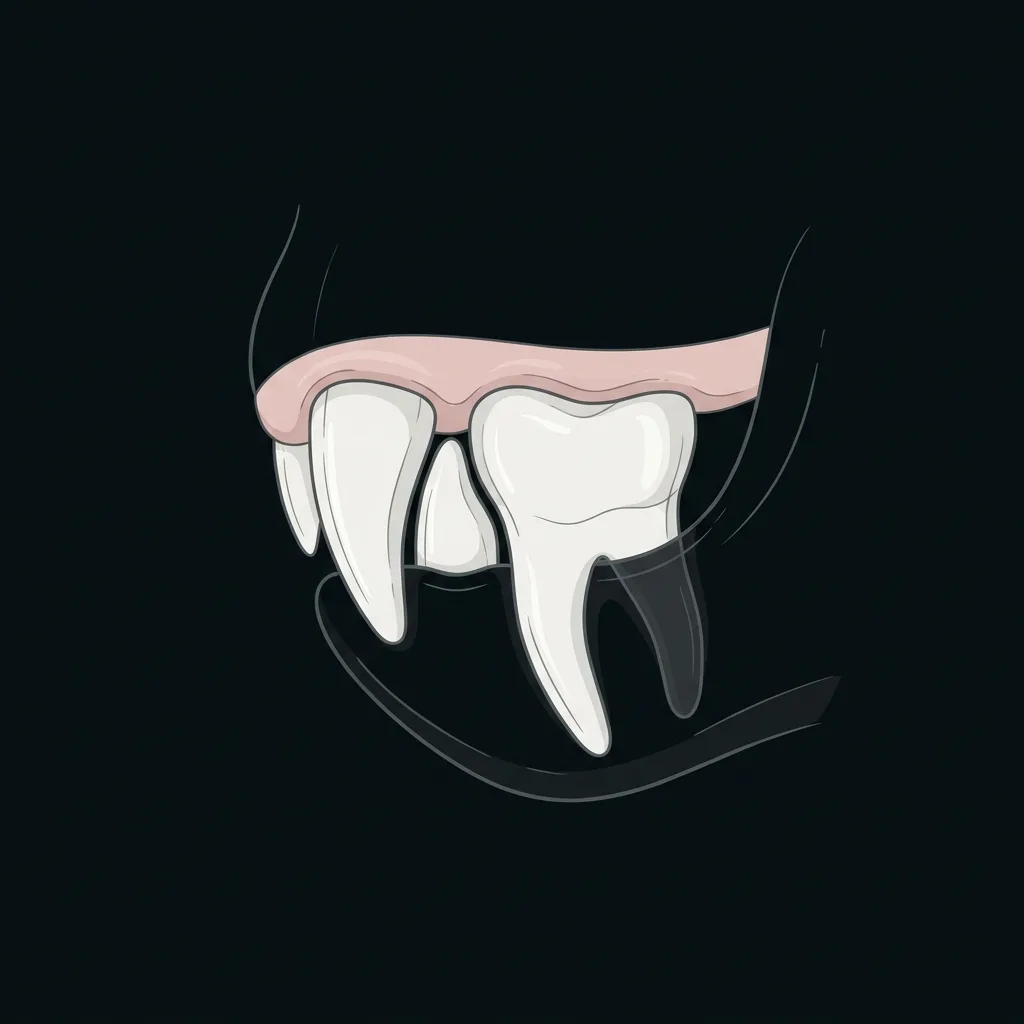
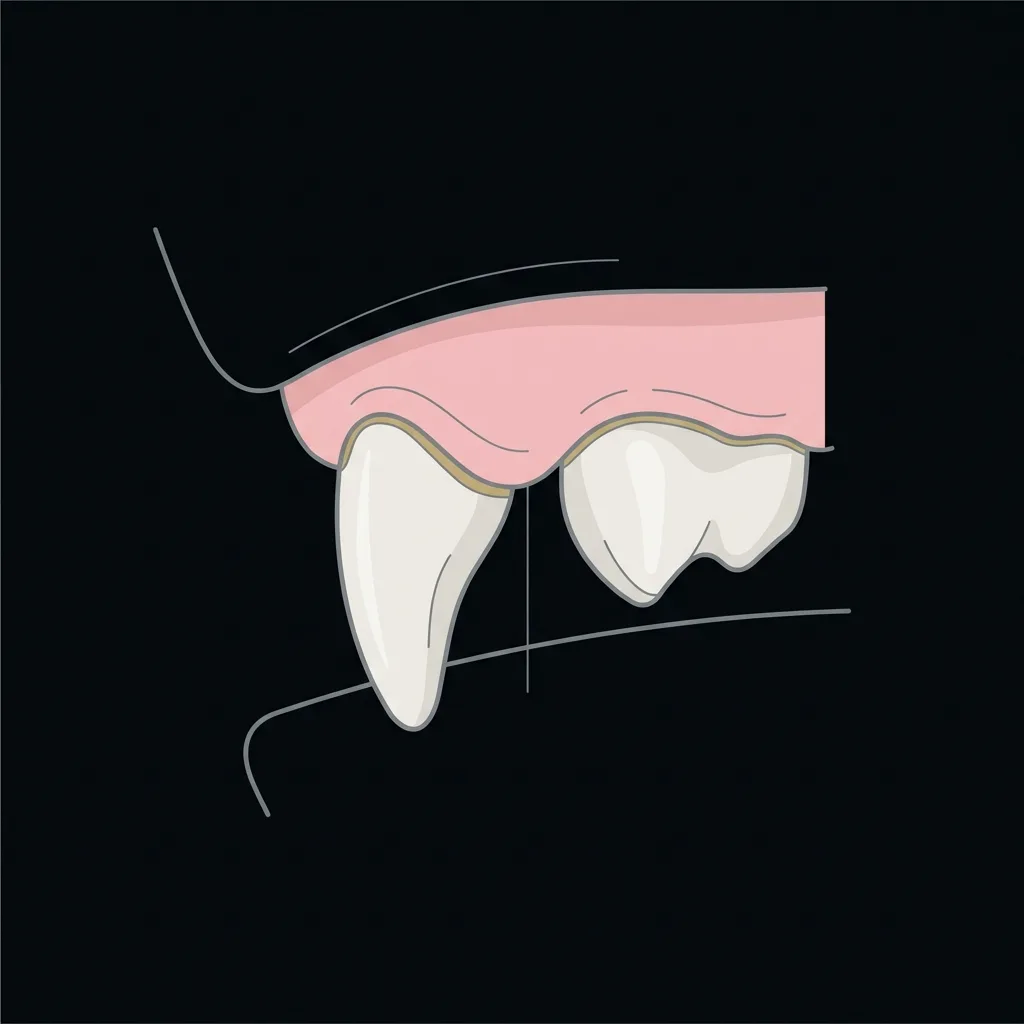
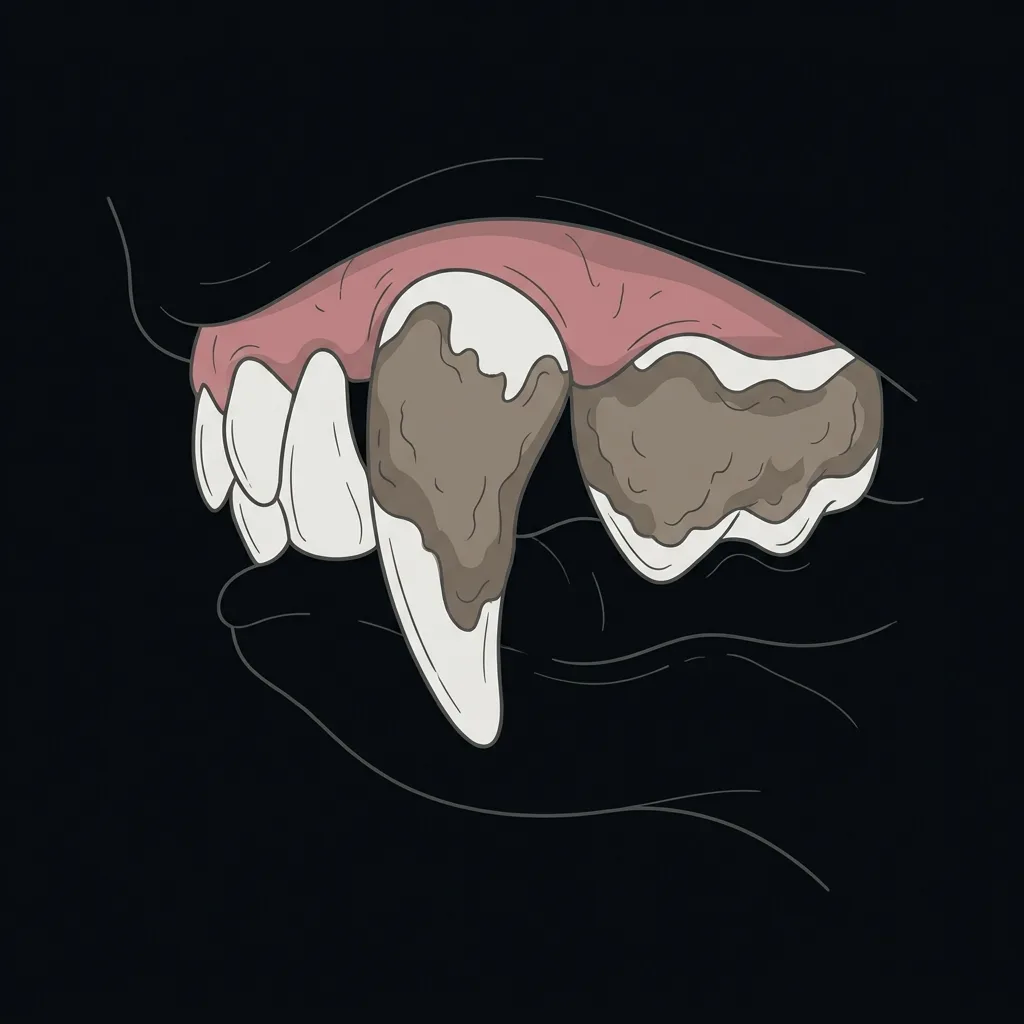
Periodontal disease is common in dogs and cats and can contribute to systemic inflammation. Pawline's guided dental check turns what you can actually see — tartar, gum colour, a wobbly tooth — into an estimated dental grade: you match against pictures rather than guess at words, photos keep a same-mouth comparison over time, and the grade sits in the reading beside the inflammation markers it tends to travel with.

Upload a result carrying a marker most vets don't run — GDF-15, klotho, vitamin D, TK1 — and Pawline names it, explains what it is, and plots it as a trend. None has a validated reference range in dogs or cats, so none is ever scored or called a finding. Two are ordered on the Screening panel itself: the Nu.Q nucleosome cancer screen and the gut Dysbiosis Index.
Nu.Q 21 ng/mL · baselineExperimental