By The Pawline veterinary teamVeterinary-reviewed by Alastair Greenway, BVM&S MRCVS · 25 July 2026
Reference range · pg/mLCats
0300
Reference
0–300
Direction
Higher values are the concern.
This is the conventional reference interval. Your pet’s own report may print a slightly different range, so always read the value against that. Sign in to see your pet’s value on this strip.
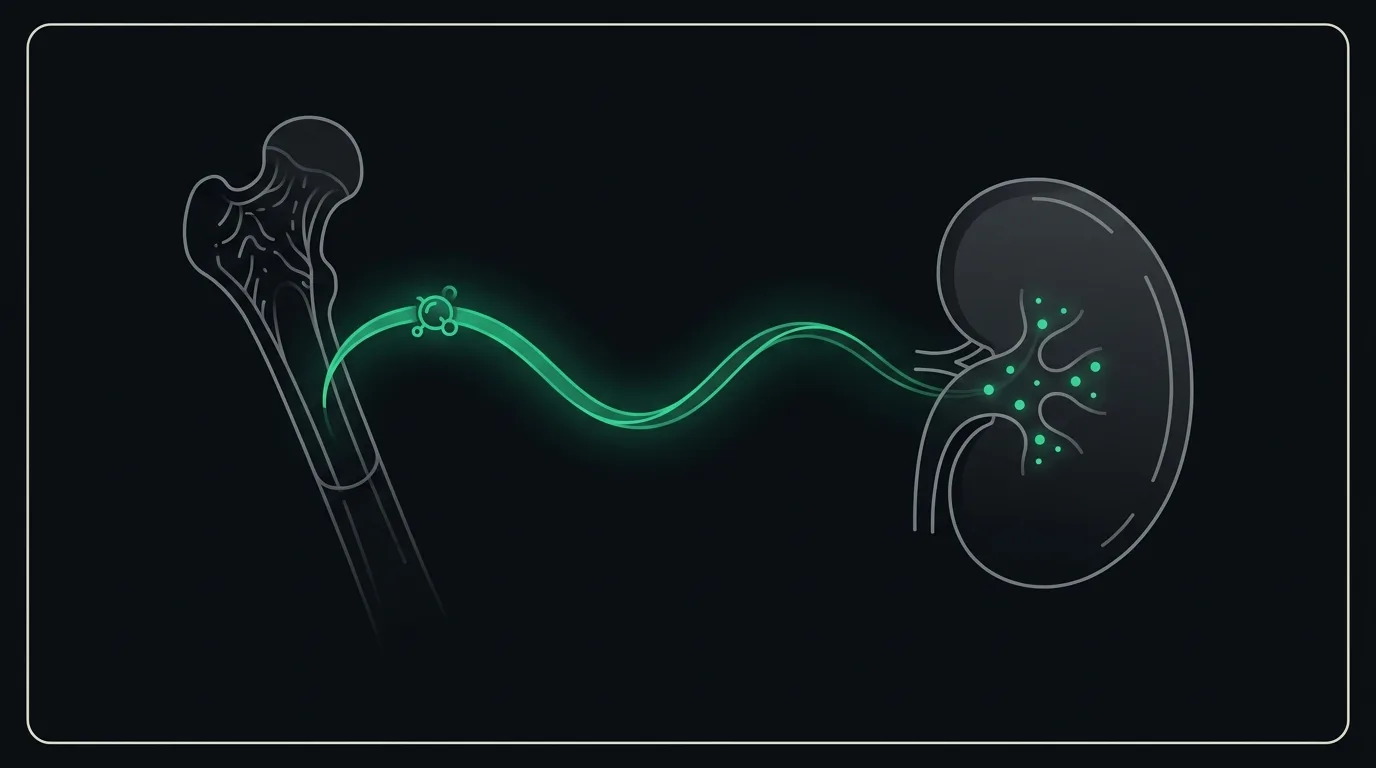
FGF-23 is a phosphate-regulating hormone that often rises before creatinine in feline kidney disease. IRIS guidance uses it to decide which cats with early CKD benefit from dietary phosphate restriction, so a value climbing toward the upper limit (even before creatinine moves) is worth discussing with your vet.
FGF-23 (fibroblast growth factor 23) is a hormone the body uses to manage phosphate. When phosphate starts to accumulate, as it does when the kidneys begin to struggle, FGF-23 rises to push the kidneys to excrete more of it. That makes FGF-23 an early alarm: it climbs to compensate before blood phosphate (or often creatinine) has visibly changed, giving a glimpse of a problem while it is still developing. In cats, it has become a routine reference-lab send-out with a published reference interval, which is why it now carries a proper band here.
FGF-23 is a phosphate-regulating hormone that rises early in feline kidney disease (before creatinine) and helps decide who benefits from a kidney diet.
Reading a high result
A raised FGF-23 signals that the body is working harder to keep phosphate under control, an early footprint of declining kidney function in cats. Its most useful, practical role is in guiding treatment: IRIS guidance uses FGF-23 to help decide which cats with early chronic kidney disease will benefit from a phosphate-restricted (kidney) diet. A cat whose FGF-23 is high, or climbing toward the upper reference limit (even while creatinine still looks normal), may be a cat for whom starting phosphate control early pays off. So rather than just confirming disease, FGF-23 helps personalise when to intervene.
Reading a low or normal result
A normal FGF-23 is reassuring about phosphate balance and suggests the kidneys are not yet under significant phosphate stress. In a cat being monitored for early kidney change, a normal FGF-23 supports a watchful approach rather than immediate dietary intervention. As with any single marker, it is read alongside the rest of the kidney picture (SDMA, creatinine, phosphorus, urine concentration).
In chronic disease
FGF-23 is at its most valuable tracked over time in feline kidney disease. Because it responds early and to phosphate stress specifically, a rising FGF-23 can flag that phosphate control is slipping (prompting or intensifying dietary and medical management), often before blood phosphate itself climbs. Watching it alongside SDMA, creatinine and phosphorus adds an early, actionable dimension to monitoring a kidney patient.
Cat vs dog
This marker is, for now, a cat test. Cats have a routine reference-lab assay and IRIS guidance built around FGF-23, so it carries a feline reference band. Dogs have a published reference interval in research but no routine clinical assay yet, so there is no dog band here. It is a good example of the honest limits of what a test can currently say. In cats, it has become a genuinely useful early and treatment-guiding kidney marker.
How it's measured
FGF-23 is measured from a blood sample sent to a reference laboratory (an established feline assay), reported in pg/mL. It is interpreted alongside the other kidney markers and phosphate, and against the feline reference interval on your report. As always, the trend over time is more informative than a single value.
What to do next
In a cat, a high or rising FGF-23 (especially one climbing toward the upper limit even before creatinine moves) is worth discussing with your vet as a prompt to consider early phosphate control (a kidney diet, sometimes a phosphate binder). Tracked alongside SDMA, creatinine and phosphorus, it helps decide not just whether but when to act on early feline kidney disease.
Reference ranges reflect conventional laboratory intervals. Always interpret against your own lab's printed range and your veterinary surgeon's judgement. A brighter optimal band is shown only where a published guideline defines one, and it is cited.
This page is educational and is not a diagnosis. Lab results are interpreted in the full clinical context by your veterinary surgeon; a single value rarely tells the whole story.