By The Pawline veterinary teamVeterinary-reviewed by Alastair Greenway, BVM&S MRCVS · 25 July 2026
Reference range · mg/dL
2.56.8
Reference
2.5–6.8
Direction
Higher values are the concern.
This is the conventional reference interval. Your pet’s own report may print a slightly different range, so always read the value against that. Sign in to see your pet’s value on this strip.
Phosphorus is a mineral balanced by the kidneys, gut and bone. It tends to rise as kidney disease advances, and keeping it in the lower part of the range is a central goal of kidney care — so a climbing phosphorus in a kidney patient is an important, actionable signal.
Phosphorus (as phosphate) is a mineral the body uses for bone, energy transfer and cell membranes. Its blood level is held steady by a balance between what the gut absorbs from food, what bone stores and releases, and what the kidneys excrete — with several hormones tuning that balance. The kidneys are the main gatekeeper, which is why phosphorus is so closely tied to kidney health.
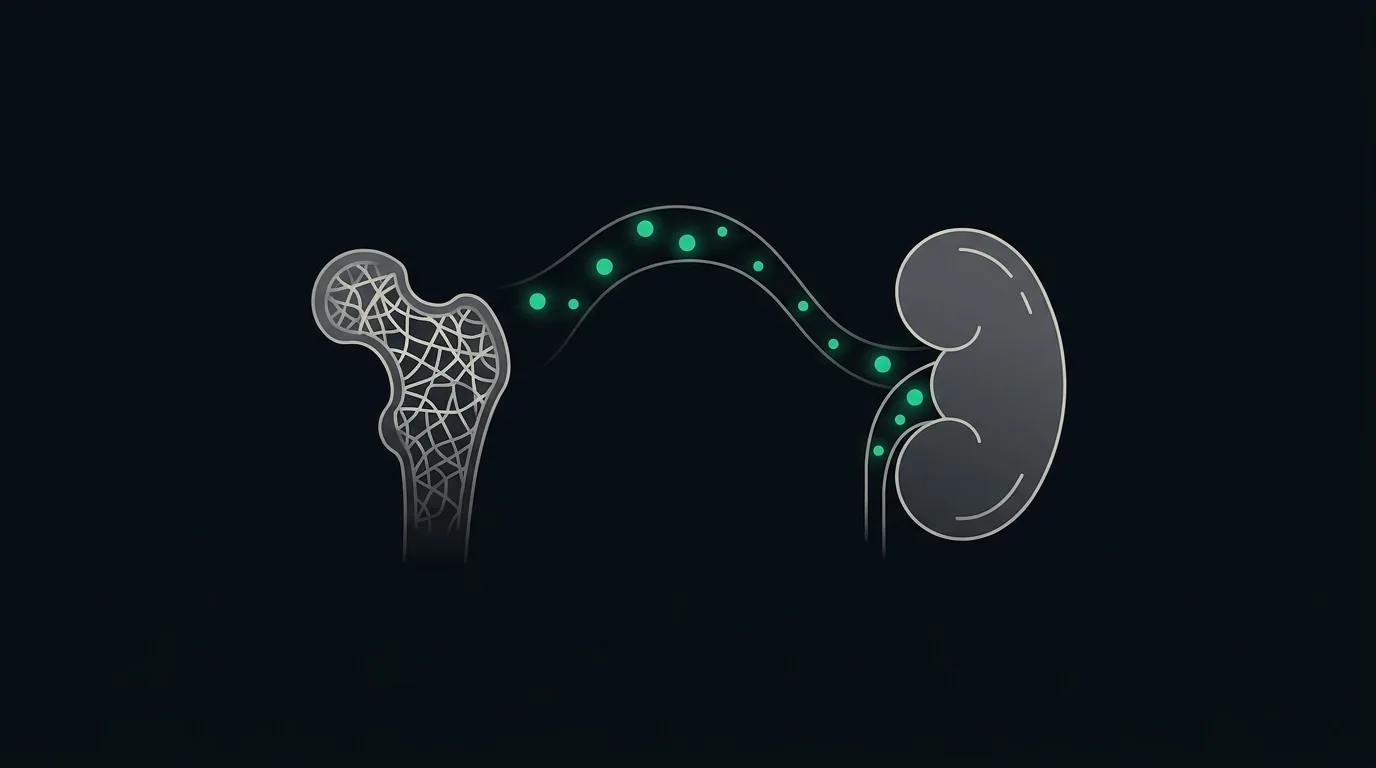
Phosphorus is balanced by gut, bone and kidney. As kidneys fail, phosphate builds up — which is why it is watched closely in kidney disease.
Reading a high result
The most important cause of a persistently high phosphorus (hyperphosphataemia) in an adult pet is reduced kidney excretion — as functioning kidney tissue is lost, phosphate is retained and the level climbs. This tends to happen later in kidney disease, so a rising phosphorus is a marker of more advanced or progressing disease and a specific target for treatment.
Other causes to keep in mind: young growing animals normally run higher (active bone growth); certain hormonal conditions; vitamin D excess; and tissue damage. A sample that is haemolysed (red cells broken during collection) can falsely raise the reading, so an isolated high value is often rechecked.
Why the emphasis on lowering it? Retained phosphate drives a cascade — it pulls other hormones out of balance, contributes to mineral and bone disturbance, and is independently linked to faster kidney decline and shorter survival in CKD (IRIS, 2023). Controlling it (through diet and, where needed, phosphate binders) is one of the best-evidenced ways to slow kidney disease.
Reading a low or normal result
A normal phosphorus is reassuring. A low phosphorus (hypophosphataemia) is less common and can accompany certain hormonal conditions, refeeding after starvation, or insulin treatment; when marked it can affect red cells and muscle, so it is acted on in its own right. In a healthy adult, mid-range is the comfortable zone, and in a kidney patient the goal is usually the lower part of the range.
In chronic kidney disease
Phosphorus is one of the numbers that turns a CKD diagnosis into a management plan. IRIS sets stage-specific phosphate targets, and keeping phosphorus within them — first with a kidney (phosphate-restricted) diet, then adding a phosphate binder if diet alone is not enough — is a cornerstone of slowing progression (IRIS, 2023). Tracked over time, a phosphorus that stays on target is reassuring; one that drifts upward signals either advancing disease or that the current diet and binders need adjusting. It is read alongside calcium, because the two minerals are regulated together.
Cat vs dog
Phosphorus is managed the same way in both species, and its control is a central part of the CKD care that is so common in older cats. In both dogs and cats, remember that growing youngsters normally have higher phosphorus from active bone turnover, so age is always part of the interpretation.
How it's measured
Phosphorus is measured on a routine chemistry panel, in mg/dL (US) or mmol/L (UK/SI). A fasted sample avoids diet-related bumps, and careful handling avoids the false elevation from haemolysis. Read the value against your report's own range and follow the same-lab trend, particularly in a kidney patient.
What to do next
If phosphorus is raised, the key questions for your vet are whether the kidneys are the cause and, if so, whether the diet and any binders are achieving the stage target. In a kidney patient, watching phosphorus alongside creatinine, SDMA and calcium — and adjusting management to keep it on target — is one of the most effective levers available for protecting kidney function.
Reference ranges reflect conventional laboratory intervals. Always interpret against your own lab's printed range and your veterinary surgeon's judgement. A brighter optimal band is shown only where a published guideline defines one, and it is cited.
This page is educational and is not a diagnosis. Lab results are interpreted in the full clinical context by your veterinary surgeon; a single value rarely tells the whole story.