By The Pawline veterinary teamVeterinary-reviewed by Alastair Greenway, BVM&S MRCVS · 25 July 2026
Reference range · g/dL
2.74
Reference
2.7–4
Direction
Lower values are the concern.
This is the conventional reference interval. Your pet’s own report may print a slightly different range, so always read the value against that. Sign in to see your pet’s value on this strip.
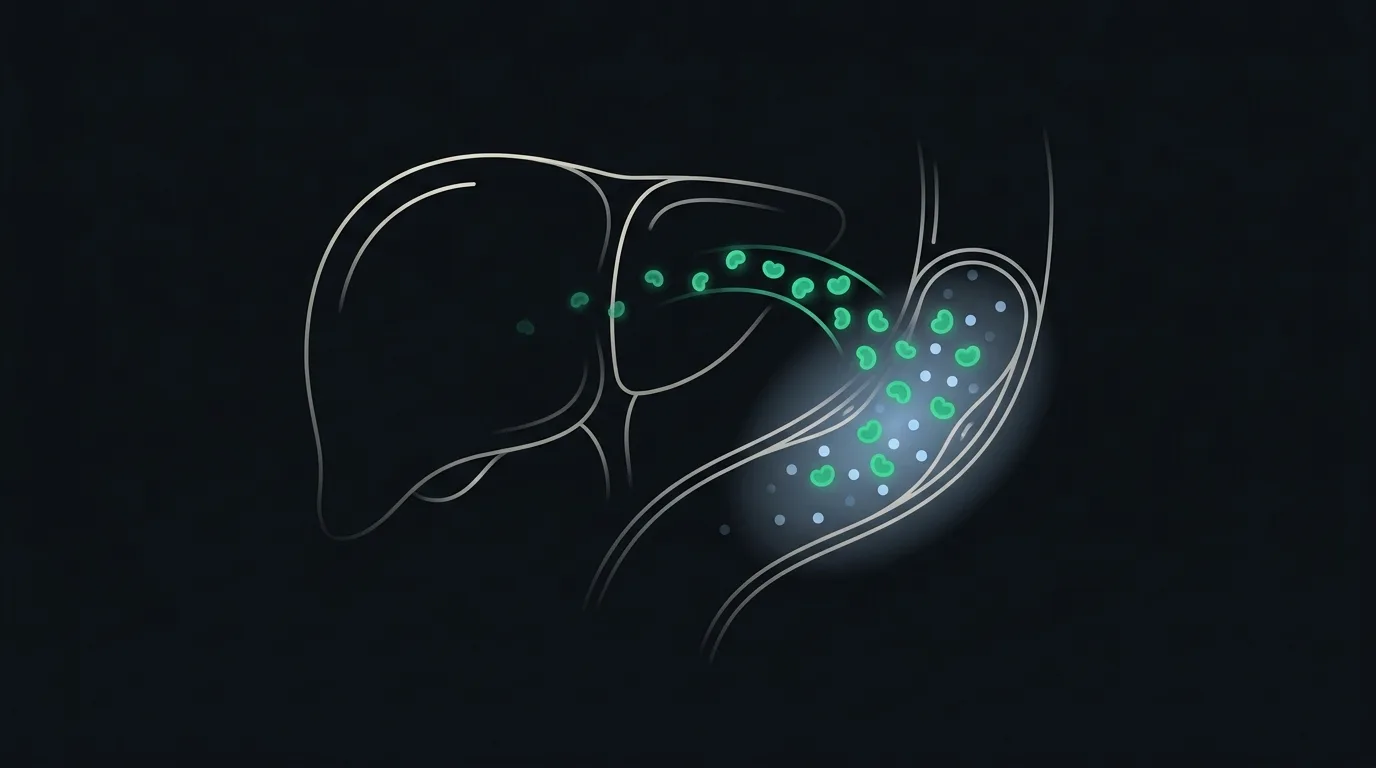
Albumin is the main protein made by the liver; it holds water inside blood vessels and carries many substances around the body. A low albumin is the meaningful finding — it can reflect reduced liver production, loss through the gut or kidneys, or inflammation — which is why it helps tie several body systems together.
Albumin is the most abundant protein in blood, made exclusively by the liver. It does two big jobs: it holds water inside the blood vessels (its "oncotic" pull keeps fluid from leaking into tissues), and it acts as a transport truck, carrying hormones, calcium, drugs and waste products around the body. Because the liver makes it and the gut and kidneys can lose it, albumin sits at a crossroads that makes it unusually informative.
Albumin is made by the liver and holds water inside the vessels. A low level can mean reduced production, loss, or inflammation.
With albumin, it is almost always a low value that carries the message.
Reading a low result
A low albumin (hypoalbuminaemia) is one of the more useful abnormal results because tracking down its cause surveys several systems at once:
Reduced production — significant liver disease, since the liver is the sole source. Often read with ALT, bilirubin and bile acids.
Loss through the kidneys — protein-losing kidney disease, where albumin leaks into the urine (checked with the UPC).
Loss through the gut — protein-losing enteropathy, where albumin (and often globulin) leaks from the bowel.
Loss to the outside or into body cavities — burns, severe wounds, or bleeding.
Inflammation — albumin is a "negative acute-phase protein", so it falls during illness while inflammatory markers rise.
A key clue is what happens to globulin at the same time. If albumin and globulin both fall together, the cause is often blood loss or a gut leak (which lose all proteins); if albumin falls while globulin holds or rises, it points more towards the liver, kidney or inflammation. This is why albumin is read alongside total protein and the albumin:globulin ratio.
When albumin falls low enough, its water-holding job fails and fluid leaks into tissues and body cavities — the swelling (oedema) or fluid accumulation (ascites) that can accompany severe protein loss.
Reading a high result
A high albumin almost always means dehydration — the protein is concentrated because the water it is dissolved in has been lost. It is corrected by rehydration and, once that is accounted for, is rarely a primary problem in its own right.
In chronic disease
Because it reflects both liver synthesis and ongoing losses, albumin is a valuable number to track in chronic liver, kidney and gut disease. A slowly falling albumin can be an early, quantitative sign that one of these processes is progressing, and a recovering albumin is reassuring evidence of improvement. Its slow, steady behaviour makes the trend line especially meaningful.
Cat vs dog
Albumin is interpreted the same way in dogs and cats, with very similar reference ranges. The list of causes and the paired-with-globulin logic apply equally to both. Protein-losing gut and kidney diseases occur in each species, and in both, a low albumin is a finding that earns a systematic search rather than a shrug.
How it's measured
Albumin is measured on a routine chemistry panel, reported in g/dL (US) or g/L (UK/SI). No special preparation is needed. It is always read together with total protein and globulin (globulin is usually calculated as total protein minus albumin), because the pattern between them is what localises a problem.
What to do next
A low albumin is a prompt to work out where the protein is going or why it is not being made: your vet will typically look at the liver panel, a urine sample for protein loss, and the gut, guided by whether globulin is falling alongside it. Tracking albumin over time then shows whether the underlying process — and its treatment — is heading the right way.
Reference ranges reflect conventional laboratory intervals. Always interpret against your own lab's printed range and your veterinary surgeon's judgement. A brighter optimal band is shown only where a published guideline defines one, and it is cited.
This page is educational and is not a diagnosis. Lab results are interpreted in the full clinical context by your veterinary surgeon; a single value rarely tells the whole story.