By The Pawline veterinary teamVeterinary-reviewed by Alastair Greenway, BVM&S MRCVS · 25 July 2026
Ammonia is a gut-derived toxin that a healthy liver converts to urea before it reaches the brain. A raised blood ammonia means that detoxification has failed, pointing to a portosystemic shunt or significant liver failure, and it correlates with the neurological signs of hepatic encephalopathy.
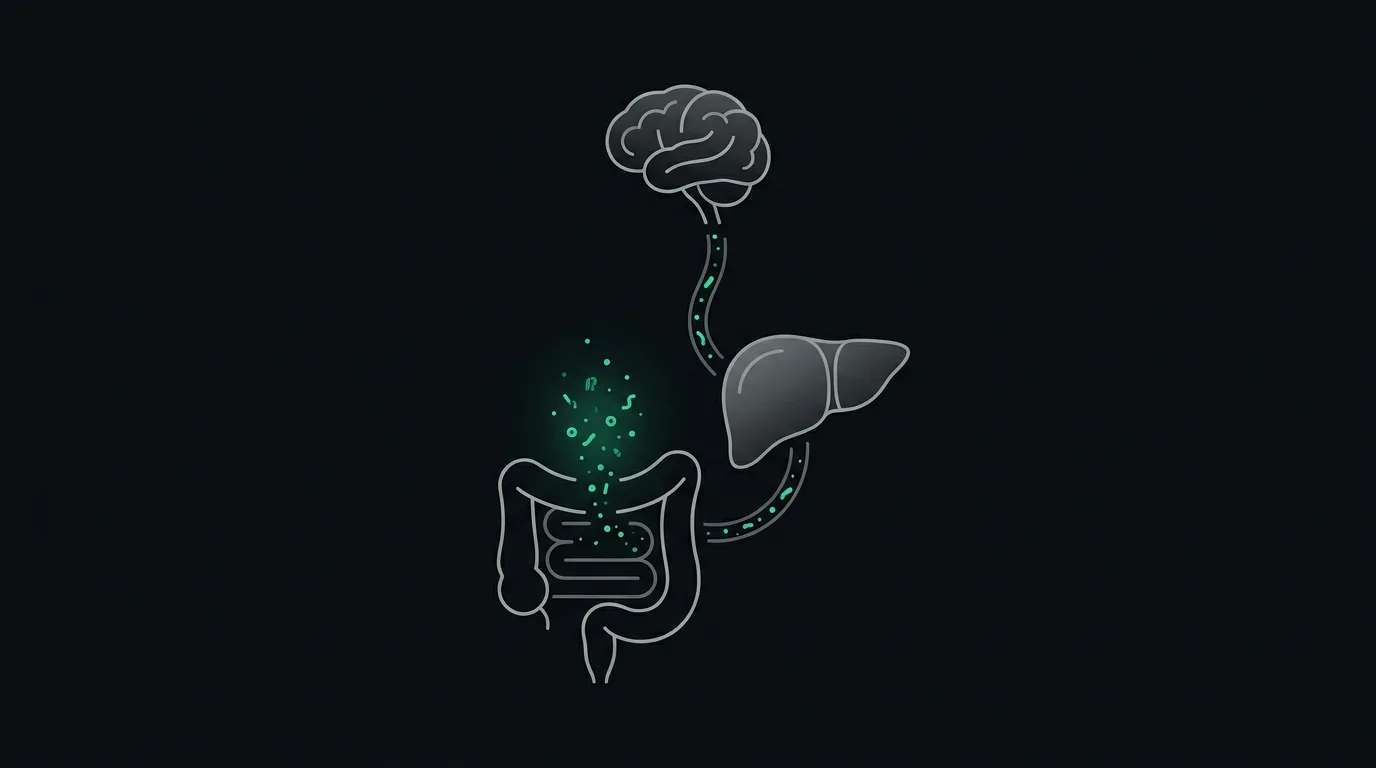
Ammonia is produced continuously in the gut as bacteria break down protein. It is genuinely neurotoxic, and the body's defence is elegant: blood leaving the intestine travels first to the liver, which converts ammonia into harmless urea for the kidneys to excrete. Only detoxified blood goes on to the rest of the body and the brain.
A healthy liver converts gut-derived ammonia into urea before it reaches the brain, so a raised level means that detoxification has failed.
That anatomy explains everything about the test: a raised blood ammonia means the liver-first system has failed, either because blood is bypassing the liver or because the liver can no longer do the job.
Reading a high result
Raised blood ammonia (hyperammonaemia) has two headline causes:
A portosystemic shunt: an abnormal blood vessel that carries intestinal blood around the liver instead of through it, so ammonia goes straight into general circulation. This is the classic cause in young animals, often with poor growth and vague illness, and it is frequently correctable with surgery.
Severe liver failure: enough functional liver tissue lost that ammonia can no longer be converted, as in end-stage chronic liver disease or acute liver failure.
Rarely, urea-cycle enzyme defects and certain other conditions are responsible.
The clinical importance is hepatic encephalopathy: the neurological syndrome ammonia causes. Signs include dullness, disorientation, head-pressing, aimless pacing, drooling (especially in cats), circling and, in severe cases, seizures or coma. Classically these signs are worse after a protein-rich meal, because that is when gut ammonia production peaks. Blood ammonia correlates reasonably with the presence of encephalopathy, which makes it useful both diagnostically and for gauging severity.
Reading a normal result
A normal ammonia argues against significant shunting or ammonia-driven encephalopathy at the time of sampling. Note, though, that bile acids are generally the more practical and sensitive first-line test for a suspected shunt, because they are far easier to handle (see below). A normal ammonia does not exclude liver disease generally.
In chronic disease
In a patient with a shunt or chronic liver failure, ammonia is used to gauge and monitor encephalopathy and its treatment: typically dietary protein modification, lactulose and antibiotics to reduce gut ammonia production. Falling ammonia alongside clearing mentation is the sign that management is working.
A significant practical caveat
Blood ammonia is notoriously difficult to measure accurately. It is unstable: the sample must be collected carefully, kept on ice, and analysed within minutes, because ammonia rises in the tube after collection and produces falsely high results. Haemolysis also raises it. This fragility is a large part of why bile acids are usually preferred for shunt screening: they are stable and far more forgiving to handle.
Cat vs dog
Portosystemic shunts and hepatic encephalopathy occur in both species. Cats with encephalopathy characteristically drool profusely, and certain breeds in each species are predisposed to congenital shunts. The handling caveat applies equally, as does the preference for bile acids as the practical screening test.
About the reference range
This page shows no range strip. Pawline draws a band only where it holds a verified reference interval, and ammonia intervals are method-specific, with results heavily dependent on sample handling. Read your result against the range printed on your own report, and interpret a high value in the light of how the sample was collected.
There is no single agreed ammonia reference interval in dogs and cats: the figure depends on the assay (bench chemistry vs point-of-care) and on flawless handling. As an illustration of the magnitude involved, one canine study treated roughly >59 µmol/L (≈>100 µg/dL; µmol/L ×1.7 → µg/dL) as the elevation threshold (eClinpath, portal blood flow). The handling is the hard part: the sample must go on ice, have its plasma separated within about 15 minutes and be analysed within a few hours, because ammonia rises in the tube after collection and haemolysis falsely raises it, the commonest reason for a spuriously high result. Read your own report's range, and weigh a high value against how the sample was taken.
What to do next
If a shunt or liver failure is suspected, expect your vet to reach for bile acids first for practical reasons, with ammonia used where encephalopathy is the question or to gauge its severity. A genuinely raised ammonia (on a properly handled sample) is a significant finding that warrants prompt investigation, usually including imaging to look for a shunt, and treatment aimed at reducing gut ammonia production.
This page is educational and is not a diagnosis. Lab results are interpreted in the full clinical context by your veterinary surgeon; a single value rarely tells the whole story.